
Italy Pioneers Digital Transformation of Schengen Visas
4/6/2026
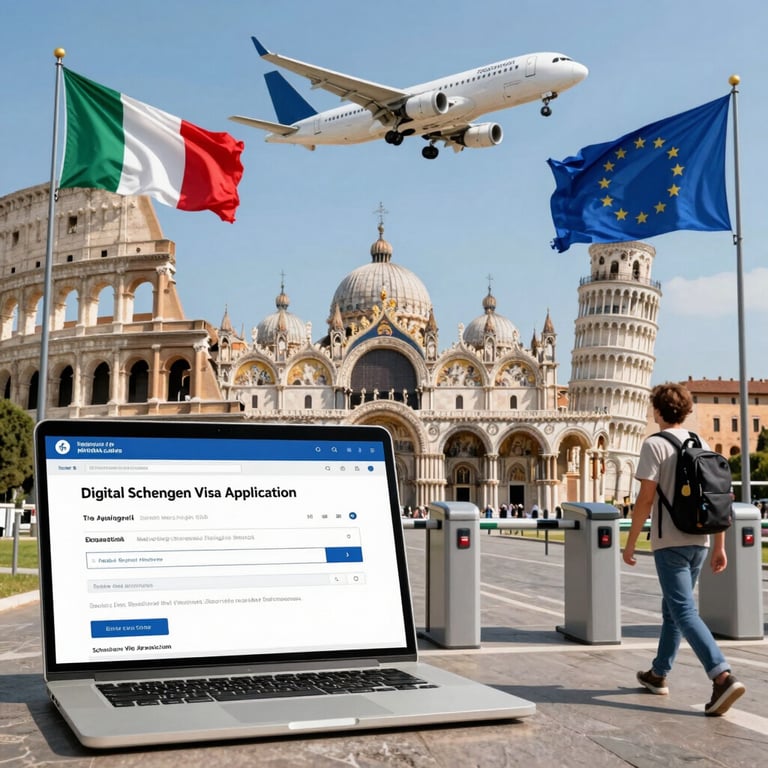
In 2026, Italy is set to play a pivotal role in transforming the Schengen Area visa system, with major reforms officially beginning on June 1, 2026. As one of the most visited destinations in Europe, Italy’s push toward modernization reflects a broader effort across the region to make travel more efficient, secure, and accessible. These changes are expected to significantly affect millions of global travelers, including applicants from high-demand regions.
A central feature of Italy’s reform is the introduction of a fully digital visa application system launching on the same date. This new platform will allow travelers to apply for both short-stay and long-stay visas entirely online, removing the need for most in-person embassy visits. Applicants will be able to upload documents, submit required information, and track their applications in real time. By cutting down paperwork and simplifying procedures, Italy aims to reduce waiting times and improve the overall visa experience.
Italy’s initiative is closely aligned with wider European technological upgrades, particularly the rollout of the Entry/Exit System (EES). This system replaces traditional passport stamping with biometric registration, including fingerprints and facial recognition, to monitor travelers entering and exiting the Schengen zone. By linking its digital visa platform with EES, Italy is helping create a more integrated and automated border management system across Europe.
Another key element of the evolving system is the European Travel Information and Authorisation System (ETIAS), expected to become fully operational later in 2026. ETIAS will require visa-exempt travelers to obtain authorization before entering the Schengen Area, adding an additional layer of pre-travel screening. Together with Italy’s digital visa reforms and the EES, this forms a comprehensive system designed to enhance both security and efficiency.
Overall, Italy’s leadership in digitizing visa processes marks a significant step toward the future of European travel. While challenges such as system reliability and data protection remain, the reforms signal a clear move toward a faster, more transparent, and technology-driven approach. If successful, Italy’s model could influence other Schengen countries, ultimately reshaping how travelers access Europe for years to come.
Planning your visa application?
Our experienced team provides fast, reliable, and hassle-free visa processing you can trust.
V 4 Visa Services L.L.C.
Your Trusted Visa Partner in the UAE
EMAIL US
CALL US
© 2025. All rights reserved.

VISIT US
Shop No 4, Happiness Building, Al Rumailah 1, Ajman - UAE
USEFUL LINKS
About Us
Our Services
Visa News & Trends
Contact Us